Rose Flower Embroidery Design
First Impressions: A Design That Feels Like a Handwritten Love Note
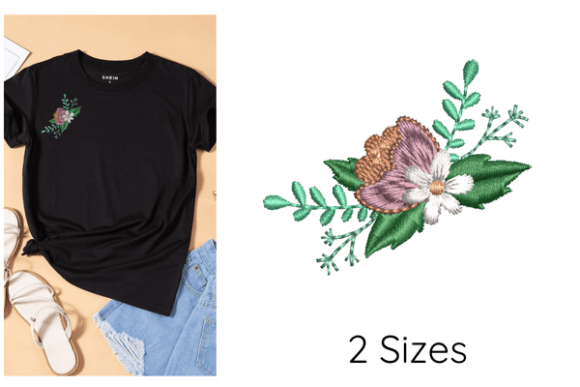
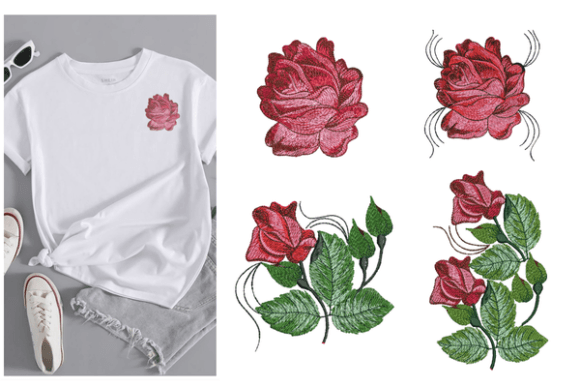
As an embroidery designer who’s stitched thousands of personalized gifts—from newborn onesies to heirloom wedding handkerchiefs—I opened the Rose Flower Embroidery Design file with quiet anticipation. What greeted me wasn’t just another floral motif—it was a soft, romantic gesture in thread. The design carries a gentle elegance: layered petals with subtle dimension, delicate veining on the leaves, and a natural curve that suggests movement, not rigidity. It doesn’t shout “modern” or “vintage”—it lives comfortably in the space between: timeless, tender, and quietly confident. For customers seeking emotional resonance over trendiness, this rose feels like a promise—thoughtful, personal, and deeply handmade.
Where This Rose Blooms Best: Real Uses for Real Customers
The Rose Flower Embroidery Design shines brightest when it anchors meaning—not just decoration. On a baby embroidery project—say, a muslin swaddle or organic cotton blanket—it becomes a symbol of tenderness and new beginnings. Stitched onto a linen pillow cover for a nursery, it whispers calm sophistication. For wedding gift makers, it elevates monogrammed hand towels, silk ribbon bookmarks, or even delicate napkin corners—ideal for couples who value heirloom quality over mass-produced flair.
Etsy sellers and small shop owners will find it especially versatile for personalized gift listings: pair it with a handwritten name on a canvas tote, center it on a chef’s apron for a bridal shower, or layer it subtly into the corner of a quilted throw blanket. Because it belongs to the Single Flowers category—and avoids overcrowded clusters—it reads clearly at medium sizes (3–4 inches), making it perfect for products where space is precious but impact matters: embroidered kitchen towels, minimalist pillow covers, and custom baby onesies.
Places to Pause: When Simplicity Needs Strategy
This rose is beautiful—but beauty requires intention. Its delicate petal edges and fine leaf details mean it demands thoughtful placement. Avoid using it on heavily textured fabric like thick terry cloth towels unless you reinforce with cutaway stabilizer and reduce stitch density slightly. On stretchy baby clothes (especially knits), test first: the design may pucker without proper tear-away backing and reduced tension.
Curved surfaces—like mugs with fabric sleeves or rounded tote bag gussets—require careful hooping and possibly digitized repositioning; the rose’s natural flow can distort if forced. And while it works gorgeously on dark fabric (imagine deep navy linen with ecru thread), always run a printable mockup and test-stitch on your exact fabric + thread combo. Small lettering? Not built-in—but if you’re adding initials beside it, keep them bold and minimal to avoid visual competition.
Why It Builds Trust—and Why Customers Click “Add to Cart”
In a crowded handmade market, perceived value isn’t just about thread count—it’s about emotional clarity. The Rose Flower Embroidery Design communicates care before the first stitch: its balance, spacing, and organic rhythm tell buyers, “This wasn’t rushed.” That translates directly to higher conversion for Etsy sellers and local gift shops. When photographed well—on natural light, paired with soft linen or creamy cotton—the design invites touch, slows scrolling, and encourages shares. It strengthens the story behind every handmade product: this isn’t decor, it’s memory-making material.
For wedding gift designers and baby product creators, it adds instant warmth to product photography. A single rose on a folded blanket says “cherished” louder than ten stock patterns. And because it’s clean enough for modern aesthetics yet rich enough for tradition, it bridges generational appeal—grandmothers love it, Gen Z brides love it, and craft fair shoppers pause longer at booths featuring it.
Practical Notes from My Hoop: What Every Maker Should Confirm
Before stitching your first finished product, here’s what I do—and recommend:
- Always test on scrap fabric—same type, same dye lot, same pre-wash status as your final piece.
- Check thread colors against your base fabric under both daylight and indoor lighting; subtle tonal shifts matter most on delicate florals.
- Confirm the hoop size fits your machine and your intended product (e.g., a 5x7 hoop won’t work centered on a narrow tea towel).
- Review stitch density: if the design feels heavy on lightweight fabric, consider adjusting underlay or reducing fill density—consult your embroidery software.
- Match your stabilizer to the fabric: cutaway for knits and towels, tear-away for stable wovens, and lightweight mesh for sheer fabrics.
- Compare light and dark fabric mockups side-by-side—you’ll spot visibility gaps fast.
- After stitching, inspect small details closely: are petal tips crisp? Do leaf veins read clearly? If not, re-hoop and adjust tension or stabilizer.
- Finally—verify commercial licensing before listing any custom embroidery or selling finished goods. As a professional, I never assume; I check the terms included with the digital embroidery file.
A Rose That Grows With Your Business
The Rose Flower Embroidery Design isn’t just another machine embroidery design. It’s a quiet multiplier: it lifts the perceived value of a simple embroidered towel, transforms a generic pillow cover into a keepsake, and gives small shop product listings the emotional gravity that drives repeat buyers. Whether you're an Etsy seller building a cohesive botanical collection, a wedding gift designer curating meaningful tokens, or a baby product creator stitching legacy pieces, this rose offers consistency without cliché.
It reminds us why we choose embroidery in the first place—not for speed, but for soul. And when your customer unwraps a blanket with this rose nestled beside their child’s name, or receives a linen napkin with this bloom pressed gently into the corner—they don’t just see thread. They feel seen.