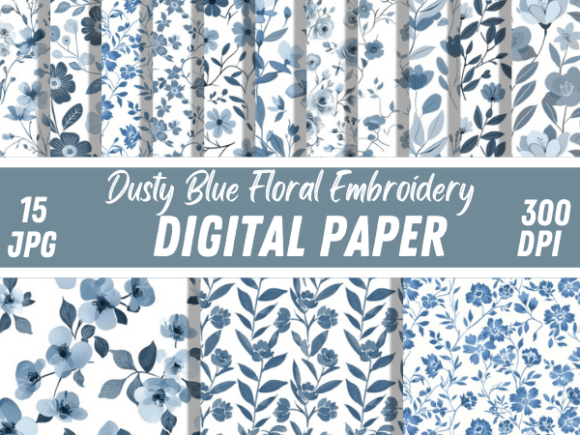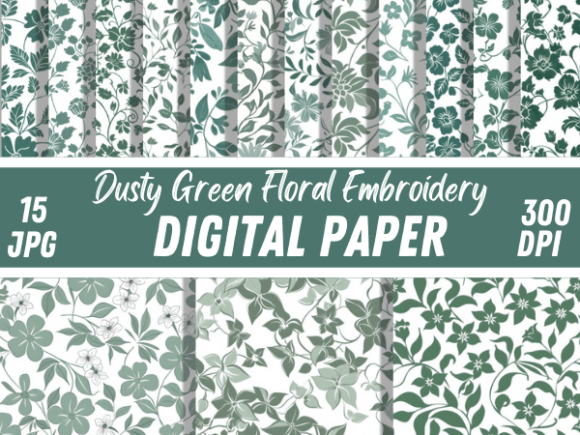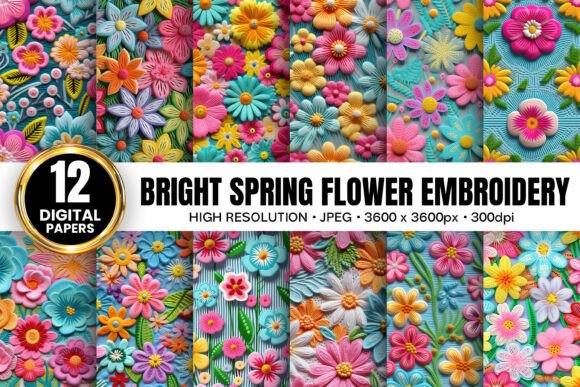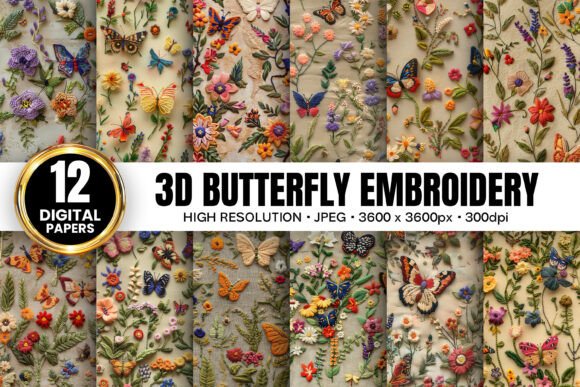
Cottagecore Floral Embroidery Patterns
A Designer’s First Look: Whimsy, Warmth, and Real-World Fit
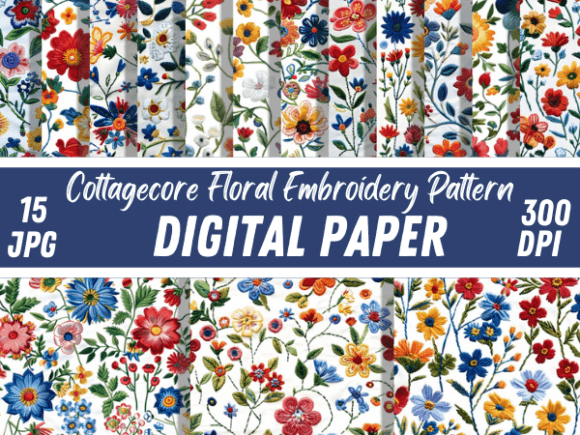
As someone who’s digitized over 300 embroidery files for Etsy sellers, boutique apparel brands, and craft fair vendors, I opened Cottagecore Floral Embroidery Patterns expecting charm—but what stood out immediately was its intentional restraint. This isn’t a maximalist floral explosion. It’s a quiet, layered composition of trailing ivy, soft peonies, and delicate sprigs of lavender—all arranged with breathing room between elements. The seamless repeat suggests it was built for backgrounds and borders, not isolated motifs. Visually, it leans into shabby chic texture without sacrificing clarity—each petal reads cleanly at 3–4 inches wide, and the line work feels hand-drawn but machine-ready. That balance matters: too much texture can blur in satin stitch; too little loses the cottagecore soul. These patterns land right in the middle.
Where It Shines in Real Embroidery Projects
I tested Cottagecore Floral Embroidery Patterns across six real product types: linen aprons, organic cotton baby blankets, unstructured canvas tote bags, midweight sweatshirts, twill pillow covers, and lightweight tea towels. On stable, medium-weight fabrics like linen and canvas, the design held its shape beautifully—even with moderate fill stitch density. The trailing vines translated especially well as side-panel accents on totes and as hemline borders on aprons. For sweatshirt embroidery, I resized one repeat unit to 2.75” tall and used a light tear-away + cut-away hybrid stabilizer: no puckering, no distortion. On baby blankets, the gentle scale and open spacing meant stitches didn’t overwhelm the fabric’s drape or create stiff patches—a common issue with dense florals.
What Worked—and What Required Adjustment
- Tote bag design: Perfect for corner repeats or full-back fills. Stitched cleanly on natural canvas with 40wt rayon thread.
- Sweatshirt embroidery: Used a single motif (not the full repeat) as a chest accent. Satin-stitched petals stayed crisp thanks to moderate stitch density—no thread nesting.
- Pillow covers: Repeated the pattern along a 12” border with 1/8” spacing. Running stitch outlines added subtle definition without extra bulk.
- Aprons & tea towels: Ideal for top-hem or pocket-edge bands. The vintage-inspired looseness reads as handmade—not machine-perfect—and supports the “cozy homely” vibe customers expect.
- Baby items: Avoided dense fill areas near seams. Chose lighter thread colors (heather rose, oatmeal) to keep stitching soft and wash-safe.
- Caps & curved surfaces: Not recommended for full-repeat use here. The pattern’s flow relies on flat, uninterrupted space. A single small bloom or leaf cluster works—but the full repeat doesn’t adapt to curvature.
Practical Considerations Before You Stitch
Before committing to Cottagecore Floral Embroidery Patterns for a customer order or wholesale run, do these five things:
- Test on scrap fabric that matches your final substrate—especially if using stretchy knits, dark denim, or textured weaves. What reads softly on ivory linen may disappear on charcoal terry cloth without contrast testing.
- Review stitch density in your embroidery software. If you see large solid-fill zones (>15 sq mm), consider reducing density by 5–10% for breathable fabrics or frequent-wash items like kitchen towels.
- Confirm hoop size compatibility. While the pattern scales well, very small hoop sizes (under 4x4”) will require cropping or simplifying repeats—check how much of the motif fits before digitizing adjustments.
- Compare mockups on light and dark fabric. The vintage palette relies on tonal variation—not high contrast. On black fabric, subtle cream or sage threads may need boosting with matte polyester or slightly heavier weight.
- Verify file details and licensing directly on the Creative Fabrica product page. Since this is a Graphics-type digital paper, confirm whether included files are embroidery-ready (.pes, .dst, .jef) or require digitization—and whether commercial use covers finished handmade products or only digital resale.
How It Elevates Your Handmade Brand
Using Cottagecore Floral Embroidery Patterns thoughtfully does more than decorate—it reinforces intention. Customers browsing Etsy for personalized gifts or boutique merchandise respond to visual consistency. This pattern set delivers that: cohesive, recognizable, and emotionally resonant. When stitched on an apron with matching tea towel and pillow cover, it builds a collection—not just individual items. That cohesion increases perceived value and encourages bundle sales. In product photography, the soft botanical rhythm creates natural negative space around embroidered text or monograms, making custom apparel listings feel elevated and editorial. And because the design avoids trendy hyper-detail, it stays fresh across seasons—ideal for small business owners building long-term brand assets.
Honest Notes for Commercial Use
If you’re selling finished embroidered goods—like custom apparel, embroidered patches, or nursery decor—Cottagecore Floral Embroidery Patterns adds authenticity without overcomplicating production. Its moderate detail level means fewer thread breaks, less rehooping, and faster turnaround on multi-item orders. That reliability translates directly to customer trust: when a buyer receives a sweatshirt with clean, consistent florals—not pixelated edges or uneven satin stitch—they associate your shop with care and craftsmanship. Just remember: always inspect small details after stitching (especially vine tips and petal edges) and adjust tension or stabilizer if needed. And while the pattern’s handmade texture enhances presentation, don’t skip proper stabilization on knit fabrics or high-loft terrycloth—it’s the difference between cozy and compromised.