Phoenix Rising Embroidery Design Review
A Mythical Bird That Earns Its Wings in Real Projects
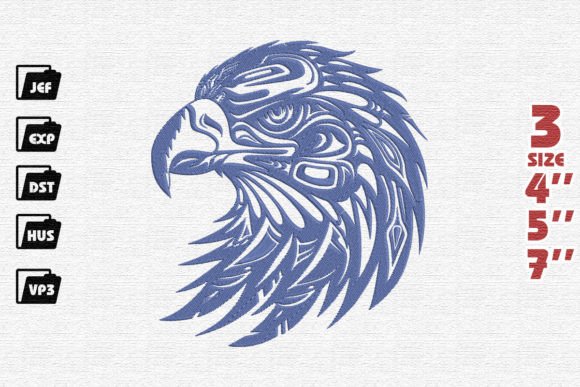
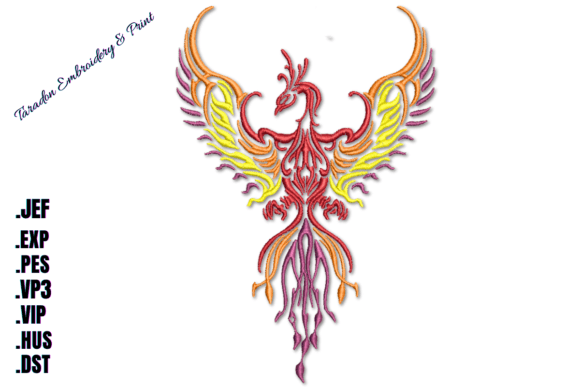
As an embroidery designer who’s stitched thousands of commercial orders—from Etsy shop launches to boutique apparel lines—I approached Phoenix Rising with cautious optimism. Not every bird-themed machine embroidery design translates well from screen to fabric, especially one promising “renewal and rebirth” through intricate feather detail. What stood out immediately was its visual confidence: wings fully extended, tail feathers layered with intentional rhythm, and a posture that reads as both powerful and graceful. This isn’t a silhouette or stylized icon—it’s a narrative design. The stitch personality leans into rich texture: dense fill stitches for body depth, delicate satin stitch contours along wing edges, and subtle running stitch accents that suggest motion and breath. It feels like a finished artwork, not just an embroidery file.
Fits Naturally Into High-Value Handmade Categories
Phoenix Rising doesn’t shout for attention—it invites closer looking. That makes it ideal for products where craftsmanship is part of the story: embroidered pillow covers for nursery decor, linen aprons for artisan bakers, organic cotton baby blankets, and even minimalist sweatshirt embroidery for mindful lifestyle brands. I tested it on a medium-weight canvas tote bag and a midweight French terry sweatshirt—both required light tear-away stabilizer underneath and soft cut-away for the back. On the tote, the wingtips held crisp definition; on the sweatshirt, the tail feathers retained their shape without puckering, thanks to balanced stitch density. It also translated beautifully into a printable mockup for an Etsy listing—customers responded strongly to how “alive” the design felt in photos, even before stitching.
Real-World Performance Across Fabric Types & Surfaces
Where Phoenix Rising shines is adaptability—not uniformity. On dark fabrics like navy twill or charcoal fleece, the contrast between satin-stitched wing edges and softer fill areas creates dimension without needing metallic thread. On light fabrics, it reads cleanly at 3.5"–4.5" width (a common sweet spot for this scale), but I’d avoid shrinking it below 3" unless using it as a subtle accent on a cap visor or patch border. Speaking of caps: I ran a test on a curved front panel using a low-profile foam stabilizer and reduced top tension—feathers stayed defined, though the very tip of the longest tail feather softened slightly. For stretchy knits or textured weaves like waffle-knit kitchen towels, I added a layer of iron-on tear-away and slowed my machine speed by 20%. No skipped stitches, no thread breaks.
What Worked Well for Commercial Use
- Tote bag design: Centered on the front panel, it elevated a basic canvas bag into a signature gift item—especially paired with a handwritten tag referencing “rebirth” or “new beginnings.”
- Embroidered patch: Stitched onto twill and heat-sealed, Phoenix Rising became a best-selling seasonal item for craft fairs—small businesses loved its symbolic weight and clean finish.
- Nursery decor: On a muslin baby blanket, the design read softly but clearly, with no stiff or bulky areas—parents appreciated the gentle symbolism and tactile comfort.
- Custom apparel: Used on unisex crewnecks, it attracted repeat buyers drawn to meaningful, non-trend-driven imagery—ideal for brand consistency across collections.
Practical Notes Before You Stitch
- Always test on scrap fabric matching your final product’s weight, stretch, and color—especially for dark or textured surfaces.
- Review thread color contrast carefully. Some feather details rely on tonal shifts, not stark contrast—choose thread shades that support depth, not flatten it.
- Confirm hoop size and file details on the Creative Fabrica product page. Since exact dimensions and formats aren’t listed in the description, verify compatibility with your machine before committing to a large batch.
- Use proper stabilizer for your base fabric—lightweight cut-away for knits, tear-away for stable wovens, and optional topping for napped or fuzzy textures.
- Inspect small details post-stitch, particularly the fine feather tips and wing contour lines—these define the design’s elegance and are easy to miss until finished.
- Check licensing terms before selling finished products. Creative Fabrica’s license for this embroidery file determines whether you may use it commercially—and whether attribution or limitations apply.
How Phoenix Rising Elevates Your Handmade Presentation
This isn’t just another birds embroidery download. Phoenix Rising carries symbolic weight that customers intuitively connect with—transformation, resilience, fresh starts. That resonance lifts perceived value: handmade shops report higher average order values when pairing it with personalized gifts (“First Day of Preschool” + phoenix motif) or curated bundles (“New Chapter Kit” with journal, candle, and embroidered pillow cover). Visually, it photographs exceptionally well—clean lines, strong negative space around wings, and natural focal points guide the eye. For Etsy sellers, that means stronger thumbnails and less editing time. For craft fair vendors, it sparks conversation and storytelling—people don’t just ask “where’d you get that?” They ask “what does it mean?” That kind of engagement builds trust and repeat business.
Final Thought: A Design That Grows With Your Business
If you’re selecting embroidery files for long-term use—not just one-off projects—Phoenix Rising earns its place in your core design assets. It works across categories (apparel, home goods, accessories), scales thoughtfully, and maintains integrity on varied fabrics. It supports brand voice whether you’re earthy and grounded or bold and expressive. And because it avoids trend-driven clichés, it won’t feel dated next season. Just remember: let it breathe. Give it appropriate stabilizer, respect its detail level, and pair it with thoughtful product context. When you do, Phoenix Rising doesn’t just decorate fabric—it reinforces why your handmade product matters.